
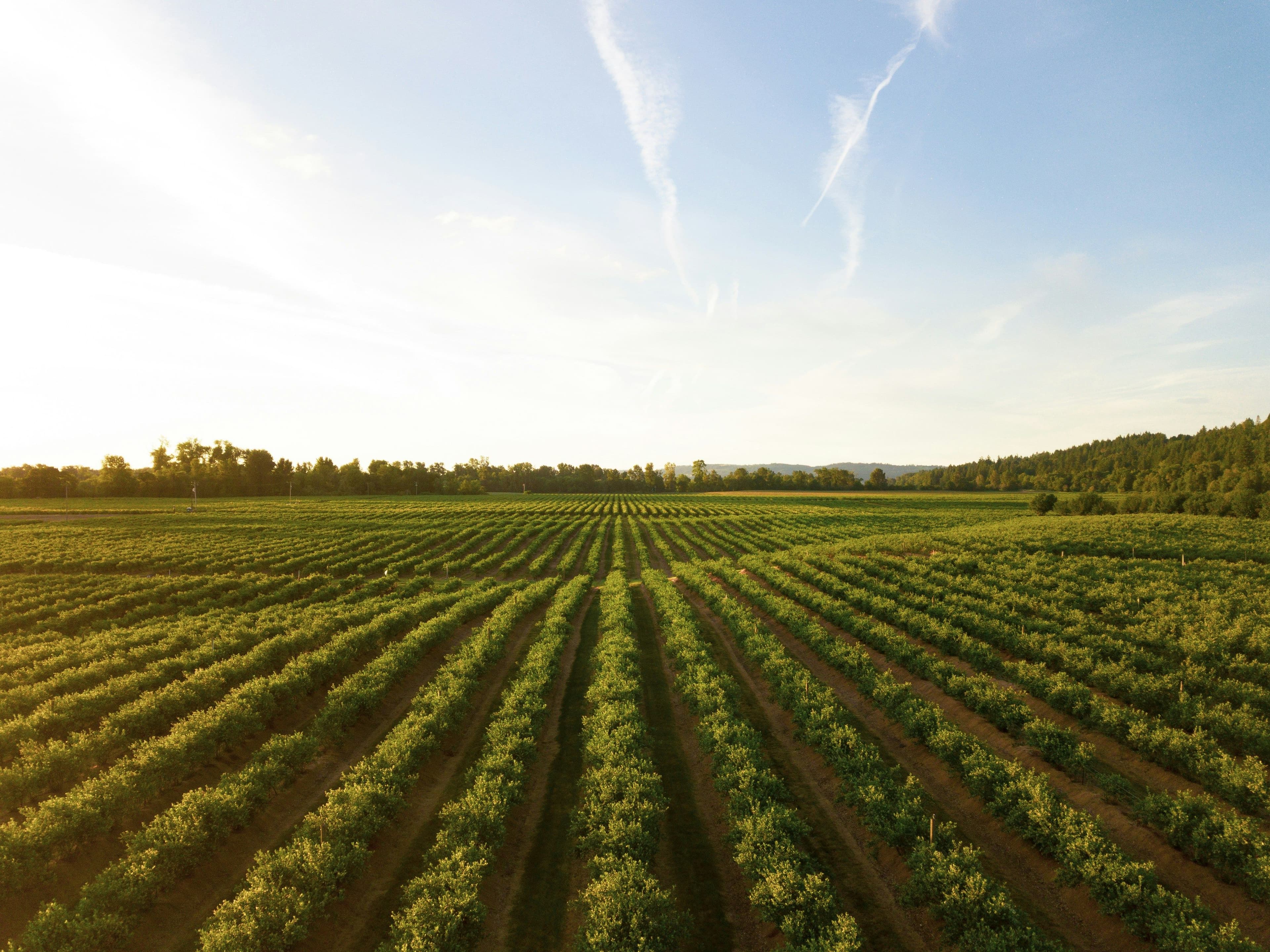
മലയാളിക്ക് മെയ്, ജൂൺ മാസങ്ങൾ വെറും മഴക്കാലത്തിന്റെ തുടക്കമല്ല, മറിച്ച് പ്രതീക്ഷയുടെ വിത്തിടൽ കൂടിയാണ്. കത്തുന്ന വേനലിന് വിട നൽകി ഇടവപ്പാതിയുടെ കുളിർമഴ മണ്ണിലേക്ക് ഇറങ്ങുമ്പോൾ, നമ്മുടെ കൃഷിയിടങ്ങളെ സജീവമാക്കാൻ പറ്റിയ ഏറ്റവും മികച്ച സമയമാണിത്. കൃത്യമായ മണ്ണൊരുക്കവും ശാസ്ത്രീയമായ പരിപാലനവും ഉണ്ടെങ്കിൽ സമൃദ്ധമായ ഒരു കുമ്മായം ചേർക്കൽ: മഴ തുടങ്ങുന്നതിന് രണ്ടാഴ്ച മുൻപെങ്കിലും സെന്റിന് 2 കിലോ എന്ന തോതിൽ കുമ്മായമോ ഡോളോമൈറ്റോ ചേർത്ത് മണ്ണ് ഇളക്കി വിടണം. ഇത് മണ്ണിലെ പുളിപ്പ് കുറയ്ക്കാനും ചെടികൾക്ക് പോഷകങ്ങൾ വേഗത്തിൽ വലിച്ചെടുക്കാനും സഹായിക്കും.
Watering Facility: Root rot is likely to occur if rainwater gets accumulated. Therefore, special attention should be paid to picking up basins for vegetables at high altitudes or quarantining for weeks.
2. Suitable Crops for Plantation
Many of the crops that love the humidity of the monsoon can be planted during this time.
Tubers: This is the best time to plant ginger, turmeric, turmeric, chamomile and catches. Seed treatment with ginger and turmeric can prevent diseases to a certain extent.
Vegetables: Seeds of fenugreek, pulses, nuts and green chillies can be cooked. This time is also good for pandal crops like pawal and padavalam.
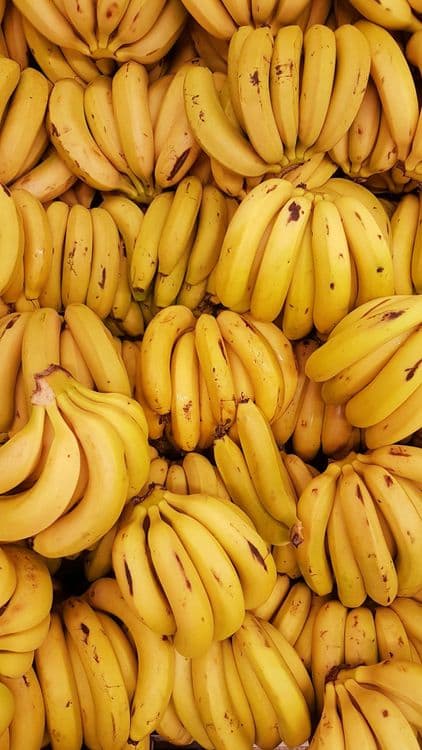
Banana and Fruit Trees: The start of the parapet can be used for planting cashew cows and for planting fruit trees like coconut saplings, plant, flour, etc.
3. Fertilizer: Grow in Strength
Basic Fertilizer: Add sufficient cow dung powder or compost during planting two weeks after the lime is added.
Organic Enrichment: Providing peanut solution, bone powder and neem pickle as the plants begin to grow can boost the plant's immune system. To prevent the fertilizer from being washed away in the rainwater, open the basin and after fertilizing, cover well with soil.
4. Precautionary measures
Seed treatment: Soaking seeds or tubers in a 2% efficacy sidomonas solution for half an hour before planting can help prevent monsoon fungal diseases.
Support: Strong support should be provided to ensure that bananas and pulses are not destroyed during heavy winds and rainfall in June.
Shade: It is advisable to give small shade with coconut or some other shade to avoid direct impact of heavy rain on the saplings.
There is no doubt that if you know the soil and start cultivating with the rhythm of nature, this year's rainy season will yield a hundredfold crop on your farm. With a little care and proper planning, we can make this parvapadi prosperous and this monsoon will lead us to the harvest. Let's see what preparations we should start in May before the heavy rains in June.
1. Soil Formation: Base can be secured
The most important thing in monsoon farming is to control soil acidity.